CDC monitored 88 U.S. contacts after Andes hantavirus outbreak on Atlantic cruise ship
Seven people fell ill and three died aboard a ship that sailed from Argentina, and 18 U.S. resident passengers were flown to the National Quarantine Unit in Omaha, where none developed infection.
Key takeaways
- A CDC report dated November 5, 2026 describes a hantavirus outbreak caused by Andes virus aboard a cruise ship in the Atlantic Ocean that sickened seven people and killed three.
- Andes virus is the only hantavirus known to spread person to person, with an incubation period of 4–42 days and a hantavirus pulmonary syndrome case-fatality rate of approximately 40%.
- Eighteen U.S. resident passengers were repatriated May 10 to the National Quarantine Unit in Omaha, Nebraska, and 88 U.S. contacts in 27 jurisdictions completed 42 days of monitoring with no secondary infections.
- No cases occurred among U.S. resident passengers, and the United States had documented only one prior Andes virus case, imported in 2018.
- For crews: the report says the illness typically begins with nonspecific symptoms, and early patients in this outbreak had fever and gastrointestinal symptoms before four progressed to respiratory failure and shock.
A Centers for Disease Control and Prevention (CDC) report published November 5, 2026, describes how U.S. health officials located and followed 88 residents who may have been exposed to Andes virus during a hantavirus outbreak on a cruise ship in the Atlantic Ocean this spring. [1]
CDC first learned of the outbreak on May 4, 2026, when it received an International Health Regulations notification about seven people aboard the ship with severe acute respiratory illness, according to the report. Three of them had died. Laboratory testing later confirmed Andes virus, which the authors describe as the only hantavirus known to spread between people. [1]
None of the sick were U.S. resident passengers, the report states. All 88 U.S. contacts finished 42 days of monitoring, and no secondary infections were found among them. [1]
What the records show
The ship originally sailed from Argentina. When the outbreak was reported, 147 people were aboard, made up of 88 passengers and 59 crew members from 23 nationalities, according to the report. The index patient became ill on April 3. Early patients had fever along with gastrointestinal complaints, and four of them deteriorated quickly into respiratory failure and shock. [1]
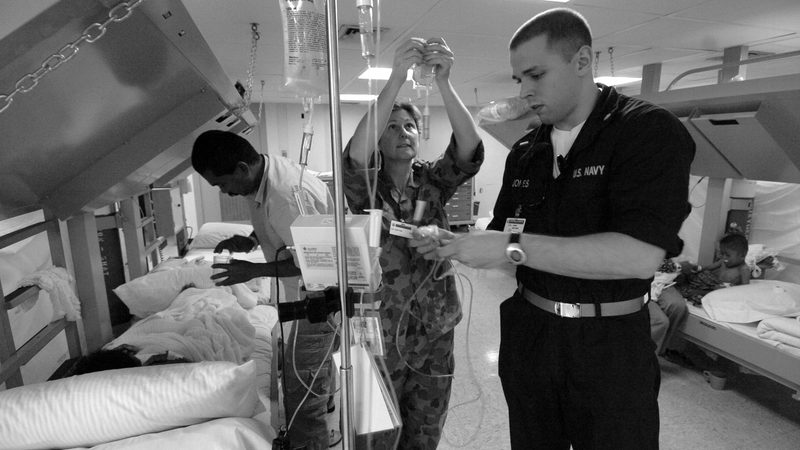
One critically ill passenger was flown to South Africa on April 27. Testing there confirmed Andes virus infection on May 5, the authors wrote. Passengers still on board were told to stay in their cabins and keep as much physical distance as possible. On May 10 the vessel docked at Tenerife in Spain's Canary Islands, where the rest of the passengers got off the ship and were given medical and public health help. [1]
Twenty-eight U.S. residents had been on the cruise. Ten of them left the ship before Andes virus was confirmed aboard. The other 18 were flown back on May 10 to the National Quarantine Unit in Omaha, Nebraska. There they underwent risk assessment and were monitored. The authors wrote that the unit was a place where "optimized advanced care was available, should symptoms develop." [1]
CDC and state and local health departments also followed 60 more U.S. residents. They had shared flights with a cruise passenger who had symptomatic Andes virus infection. That brought the U.S. total to 88 contacts spread across 27 jurisdictions. Each one completed 42 days of monitoring, and the report identified no secondary infections. [1]
Worldwide, authorities in 33 countries assessed and followed approximately 653 people who may have been exposed, according to the report. [1]
Why it matters for EMS
Andes virus is a New World hantavirus found in parts of South America, the report states. People can be infected through contact with infected rodents or their droppings. The illness usually begins with nonspecific symptoms, much like disease from Sin Nombre virus, which the authors identify as North America's most common cause of hantavirus pulmonary syndrome. [1]
What sets Andes virus apart is its ability to pass from one person to another. The authors wrote that this happens through close and prolonged contact, or through exposure to the body fluids of someone who has symptoms. The incubation period is 4–42 days. Infection may be mild or may cause hantavirus pulmonary syndrome, which the report says can progress rapidly to respiratory failure and shock and may need advanced support such as extracorporeal membrane oxygenation (ECMO). The case-fatality rate for the pulmonary syndrome is approximately 40%. No specific treatment or vaccine exists, the authors wrote. [1]
For prehospital and emergency clinicians, the report's summary says providers "should consider ANDV infection among patients with compatible illness" after travel to areas where the virus is endemic, or after exposure to someone with suspected or confirmed infection, and it calls for prompt notification of public health authorities. EMS clinicians follow local protocols and medical direction. [1]
Context
Before this outbreak, the United States had reported only one documented Andes virus case, an infection imported in 2018, according to the report. The authors frame the 2026 response as an example of rapid coordination among domestic and international partners to find and follow exposed people during an international outbreak. [1]
What the records do not tell us
The report excerpt in the records does not name the ship or the cruise line. It does not say how the virus came aboard or where the first patient was exposed. It does not give the nationalities of the seven people who became ill, their outcomes beyond the three deaths, or the condition of the passenger evacuated to South Africa. [1]
The finding of no secondary infections applies to the 88 U.S. contacts. The records do not say whether any of the approximately 653 people monitored in other countries developed infection. They also do not say how the ten U.S. residents who left the ship early were located, or which flights or airports were involved. The available excerpt ends before the report's full description of contact tracing and its discussion. [1]
Questions readers ask
What is Andes virus and how does it spread?
Andes virus is a New World hantavirus endemic to parts of South America, according to the CDC report. People can be infected through exposure to infected rodents or their excreta, and it is the only hantavirus known to spread person to person, through close prolonged contact or exposure to a symptomatic person's body fluids. The incubation period is 4–42 days.
How many people got sick in the 2026 cruise ship hantavirus outbreak?
CDC was notified on May 4, 2026 of seven cases of severe acute respiratory illness, including three deaths, among 147 people aboard a cruise ship in the Atlantic Ocean. The illnesses were later confirmed to be caused by Andes virus.
Were any Americans infected with Andes virus on the cruise ship?
No. The report states that no cases occurred among passengers who were U.S. residents. Eighteen U.S. resident passengers were repatriated to the National Quarantine Unit in Omaha, Nebraska, and all 88 U.S. contacts completed 42 days of monitoring with no secondary infections identified.
What is the death rate for hantavirus pulmonary syndrome?
The CDC report gives the case-fatality rate for hantavirus pulmonary syndrome as approximately 40%. The report says no specific treatment or vaccine is available and that severe cases may require advanced care including ECMO.
Sources
- CDC: Hantavirus Outbreak Caused by Andes Virus Linked to International Cruise Ship Travel — United States, 2026 (Nov. 5, 2026) — tools.cdc.gov (2026-11-05). tools.cdc.gov/api/embed/downloader/download.asp?m=342778&c=766796
This is news, not medical advice. EMS clinicians: follow your local protocols and medical direction.