HeartSine's fourth AED recall since mid-2025: what samaritan PAD owners need to check
The newest, reported by the FDA on Oct. 7, covers 31,834 public-access defibrillators that shipped without a supplement adding a check every three months.
Key takeaways
- FDA records show four recalls of HeartSine samaritan PAD defibrillators or their Pad-Pak cartridges started since June 30, 2025. All four are listed as ongoing.
- The newest, Class III and reported Oct. 7, covers 31,834 SAM 350P, 360P and 450P units shipped without a required Maintenance Supplement.
- A Class II recall reported Sept. 16 covers 11,912 units with an over-stretched membrane tail that causes an intermittent fault.
- For crews and AED program managers: check the serial number on every HeartSine unit you place, inspect or maintain against the FDA records linked at the end of this story.
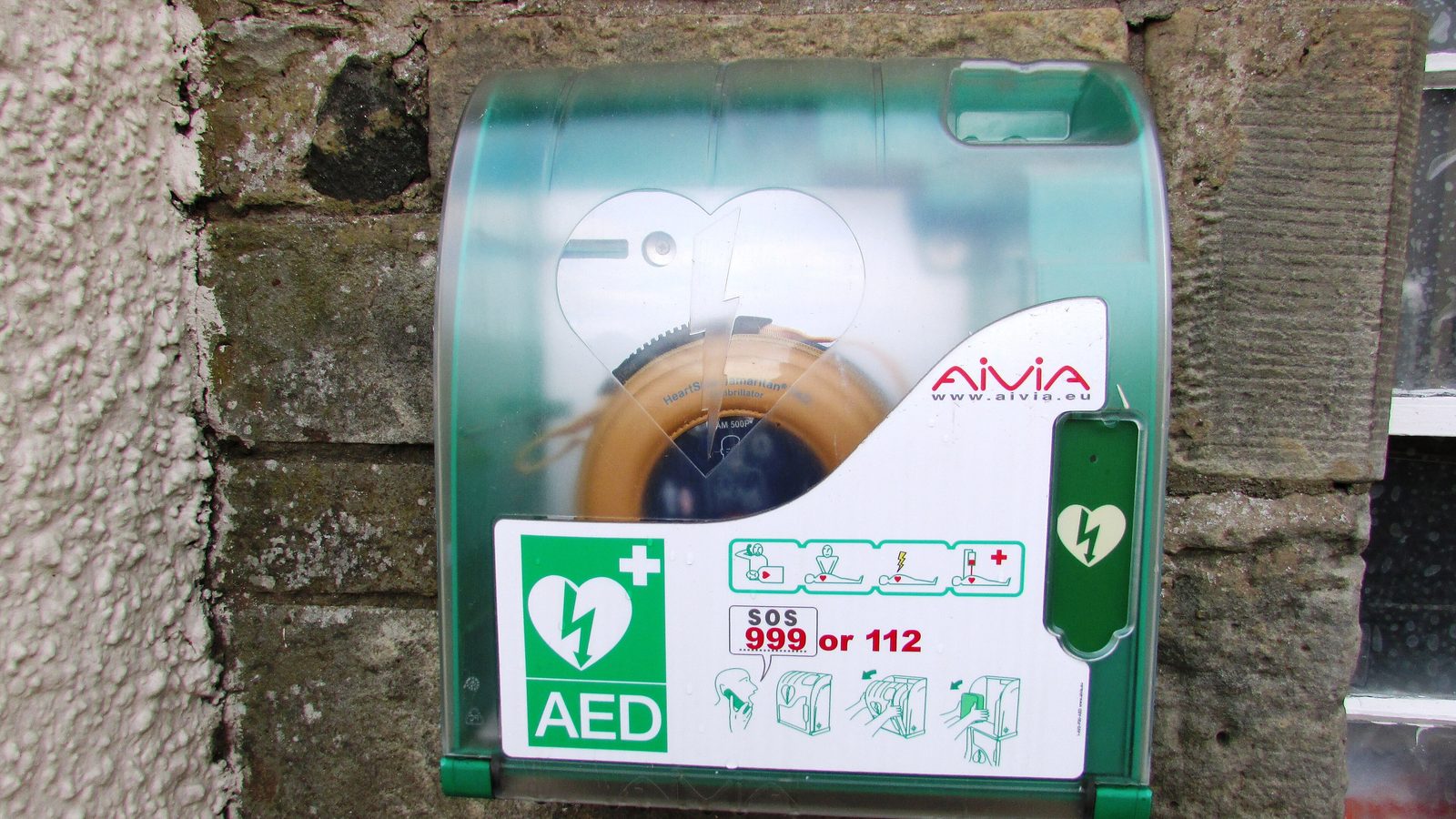
The Food and Drug Administration posted a new recall of HeartSine samaritan PAD automated external defibrillators to its enforcement report on Oct. 7. It covers 31,834 SAM 350P, 360P and 450P units sold in the United States.
According to the FDA record, the devices "were distributed without the required Maintenance Supplement, which describes an extra check every 3 months in addition to the monthly check." The FDA classified it as Class III, its lowest risk level.
It is the fourth recall of HeartSine's public-access defibrillators or their Pad-Pak electrode cartridges that the company has started since June 30, 2025, according to FDA enforcement records. HeartSine, based in Belfast, started the two newest recalls on the same day, July 27, and notified customers by letter. The record lists distribution in 46 states, Washington, D.C., and Guam.
Four recalls in 13 months
HeartSine samaritan PAD recalls by start date. Bars show units affected, scaled to the largest recall.
Source: FDA enforcement records Z-2174-2025, Z-0288-2026, Z-3120-2026 and Z-3270-2026, via openFDA. Quotes are the FDA's wording.
What the recall classes mean
The FDA sorts recalls into three classes. Class I means "a reasonable probability" that using the product "will cause serious adverse health consequences or death." Class II covers products that "may cause temporary or medically reversible adverse health consequences," or where serious harm is remote. Class III means the product is "not likely to cause adverse health consequences."
None of the four HeartSine recalls since June 2025 is Class I. The June 2025 recall is the only one of the four whose FDA record says the device may not deliver a shock.
What to check
Find the model and serial number on each unit. The FDA records list every affected serial number for the SAM 350P, 360P and 450P, and the lot numbers for the Pad-Pak cartridges. If a unit is listed, follow the instructions in HeartSine's letter.
The FDA records do not include the letter itself, and they do not say whether affected units should be taken out of service. Contact HeartSine or the distributor you bought from for those instructions.
Why it matters for EMS
Public-access AEDs are meant to be used by bystanders in the minutes before an ambulance arrives. Many fire departments and EMS agencies help place, register or inspect them in their communities. Crews who take over from a bystander using a HeartSine unit, and program managers who sign off on monthly checks, should know which units are affected.
What these records do not tell us
FDA enforcement records describe the recall, not its consequences. They do not report injuries or deaths. Those reports are in the FDA's MAUDE adverse-event database, which we have not reviewed for this story.
Sources
- FDA enforcement record Z-3270-2026 (Class III, reported Oct. 7, 2026)
- FDA enforcement record Z-3120-2026 (Class II, reported Sept. 16, 2026)
- FDA enforcement record Z-0288-2026 (Pad-Pak, Class II, reported Oct. 29, 2025)
- FDA enforcement record Z-2174-2025 (Class II, reported Aug. 6, 2025)
- FDA, Recalls background and definitions
This is news, not medical advice. EMS clinicians: follow your local protocols and medical direction.